What Presidents Day Means: History, Long Weekends, & Misconceptions
For many across the United States, Presidents Day evokes a mix of anticipation for a long weekend, the allure of retail sales, or perhaps a fleeting thought about the nation's past leaders. But for those wondering, "Is today President Day?" the answer opens the door to a richer understanding of a holiday steeped in history, consumer culture, and even significant economic implications. This federal observance, officially known as Washington's Birthday, has evolved considerably since its inception, touching everything from classroom history lessons to the trading floors of Wall Street.
The Historical Roots of Presidents Day: Honoring Washington & Lincoln
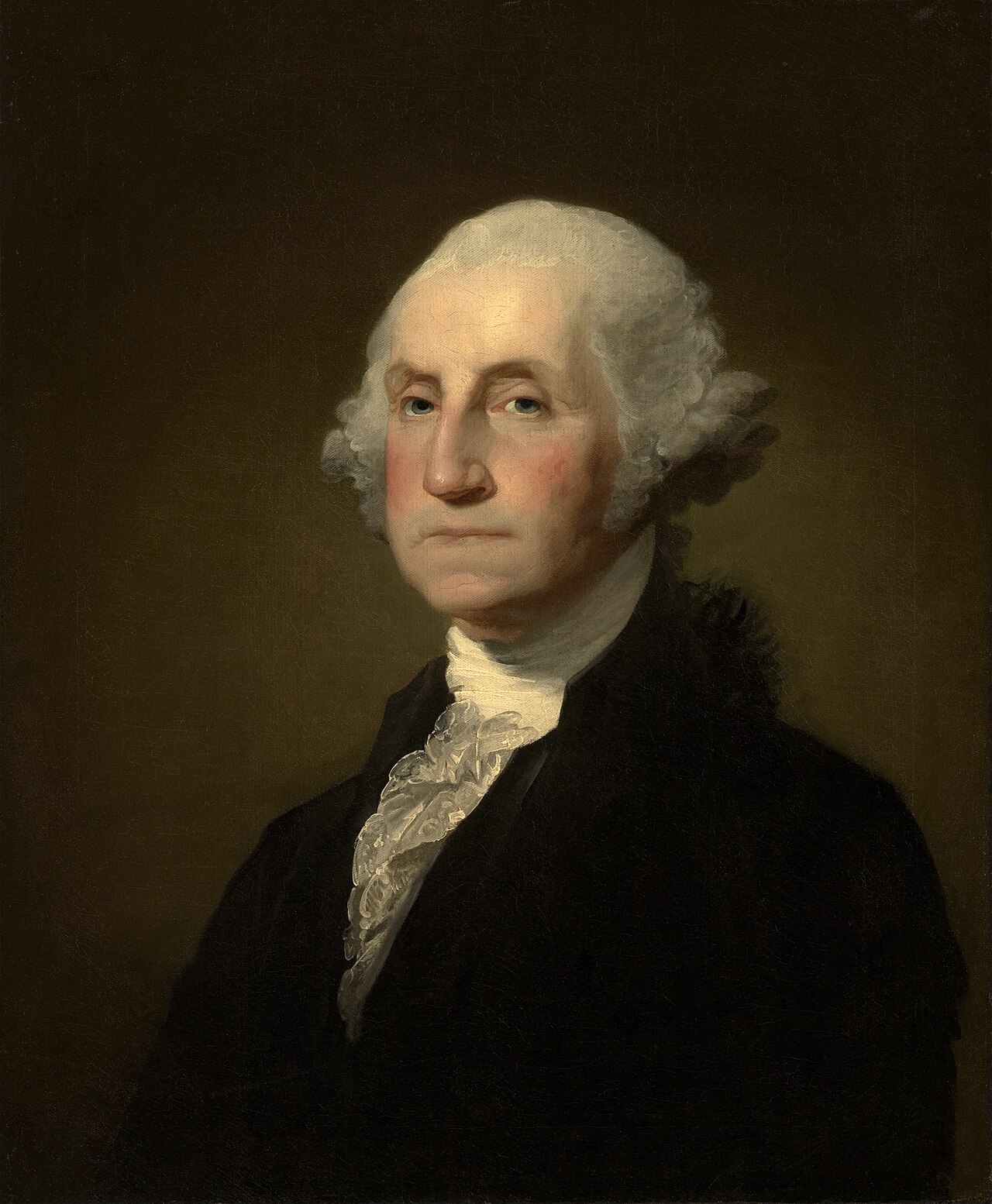
At its core, Presidents Day is about commemorating the legacies of America's chief executives, though its origins are more specific. The holiday began as a federal observance of George Washington’s birthday on February 22nd. Washington, the revered commander of the Continental Army and the first President of the United States, holds an unparalleled place in American history, and his birthday became a federal holiday in 1879. It was one of the first federal holidays to honor an individual, recognizing his pivotal role in the nation's founding.
However, the narrative of Presidents Day often expands to include Abraham Lincoln, whose birthday falls on February 12th. Lincoln, the 16th president, guided the country through the Civil War and abolished slavery, leaving an equally indelible mark. While several states traditionally celebrated Lincoln's birthday, it was never designated as a separate federal holiday.
The transformation from honoring specific birthdays to the broader "Presidents Day" occurred with the Uniform Monday Holiday Act of 1971. This act aimed to create more three-day weekends for federal employees by shifting several holidays to Mondays. Washington's Birthday was moved from February 22nd to the third Monday in February, a date that conveniently falls between Lincoln's and Washington's traditional birth dates. This legislative move, combined with an increasing public inclination to honor all presidents, gradually led to the popular adoption of the term "Presidents Day," although the official federal designation remains "Washington's Birthday." This often creates a common misconception: is the holiday for all presidents, or just Washington and Lincoln? While the spirit of the day often includes honoring all past presidents, its legal foundation remains tied to Washington.
The Modern Presidents Day: Long Weekends, Retail Sales, and Public Perception
Beyond its historical significance, Presidents Day has firmly cemented its place in contemporary American culture as a much-anticipated long weekend. This shift is a direct consequence of the Uniform Monday Holiday Act, which transformed what was once a mid-week observation into a coveted three-day break for many. For federal employees, students, and many private sector workers, it offers a welcome pause in the winter calendar, a chance to recharge before spring.
For many, the practical benefits outweigh the historical reflection. As one Abilene resident, Matthew Zimmerman, candidly put it, "It's a free Monday, basically. So that's why we're here at the park having a good time and getting some sun.” This sentiment highlights a common reality: while some, like Chuck Barker, recognize it as a day to "recognize Lincoln and George Washington," for a significant portion of the population, the holiday primarily signifies an opportunity for leisure and recreation.
This extended weekend also fuels a vibrant retail tradition. Presidents Day has become synonymous with major sales events, particularly for items like cars, furniture, and mattresses. Retailers leverage the extra day off to entice shoppers with significant discounts, turning the holiday into a key commercial driver early in the year. For consumers, it's an excellent opportunity to make big-ticket purchases, often leading to bustling malls and online shopping sprees. The long weekend also offers a chance for mini-vacations, family gatherings, or simply catching up on errands, underscoring its dual role as a period of both reflection and practical utility.
Presidents Day and Wall Street: A Market Pause Amidst Economic Currents
While millions enjoy their day off, Presidents Day brings a mandatory pause to the financial world. For investors and market watchers, the question "Is today President Day?" carries a unique significance, as Wall Street – including the New York Stock Exchange and Nasdaq – remains shut. This scheduled closure provides a moment for the market to digest recent events and prepare for the week ahead.
Consider the context of Presidents Day 2026, for example. The market was taking a mandated break after a particularly volatile week. All three major US indices – the S&P 500, Dow Jones Industrial Average, and Nasdaq Composite – had finished lower for the week, marking one of the sharper setbacks experienced recently. The market's pause came precisely when investors were grappling with a complex mix of economic signals.
Cooling Inflation and Fed Expectations:
One crucial element was the macro backdrop, which, despite the negative price action, showed signs of improvement. Recent Consumer Price Index (CPI) data indicated a friendlier inflation trend, with both headline and core CPI readings coming in below consensus expectations. This cooling inflation reignited hopes for potential interest rate cuts by the Federal Reserve, with futures pricing now leaning towards multiple 25-basis-point cuts by the end of the year. Lower inflation typically supports higher equity multiples by capping long-term yield risks, creating a positive undertone for growth sectors.
The AI Disruption Trade:
However, this good news was overshadowed by a dominant narrative: the "AI scare" trade. Investors were no longer indiscriminately buying into anything vaguely related to artificial intelligence. Instead, there was a brutal repricing of business models deemed vulnerable to automation and disruption. The iShares Expanded Tech-Software Sector ETF (IGV), a bellwether for software companies, saw a significant year-to-date decline, challenging its previous status as an "obvious winner" in the AI cycle.
This shift meant that while the broader Technology sector (XLK) saw declines, non-tech sectors like Energy (XLE), Consumer Staples (XLP), and Materials (XLB) experienced double-digit percentage gains. This relative rotation indicated a market re-evaluation, where traditional "old economy" sectors were benefiting as investors rotated out of over-owned and potentially overvalued tech names susceptible to AI's disruptive force. For a deeper dive into how this played out, you can read more about how the
AI Scare Dominates Wall Street as Presidents Day Shuts Markets.
The Presidents Day break offered a critical opportunity for market participants to reflect on these conflicting forces: the hopeful signs of cooling inflation versus the stark realities of AI-driven repricing. The pause allows investors to strategize, reassess portfolios, and prepare for the reopening, which for Presidents Day 2026, would be Tuesday, Feb. 17 at 9:30 a.m. ET. Understanding these dynamics is crucial for anyone trying to grasp the broader economic currents shaping the market. For more detailed analysis, explore
Presidents Day: Cooling Inflation & AI Repricing Shape Market Pause.
Making the Most of Presidents Day: Tips and Insights
Whether you're celebrating the historical significance or simply enjoying the break, Presidents Day offers various ways to engage:
*
Educational Exploration: Take time to learn more about George Washington, Abraham Lincoln, or other U.S. presidents. Visit a historical site, read a biography, or watch a documentary.
*
Community Engagement: Look for local events or parades that might commemorate the holiday.
*
Smart Shopping: If you're planning a major purchase, research Presidents Day sales in advance to get the best deals.
*
Market Reflection (for investors): Use the market closure to conduct thorough research, review your portfolio, and understand the implications of economic trends like inflation and AI disruption on your investments. It's a prime time for strategic planning without the distraction of live trading.
*
Rest and Recharge: Embrace the three-day weekend. Spend time with family and friends, pursue a hobby, or simply relax and rejuvenate.
In conclusion, Presidents Day is far more than just a "free Monday." It's a complex tapestry woven from historical reverence for foundational leaders like George Washington and Abraham Lincoln, blended with the modern appeal of long weekends, vibrant retail sales, and a critical pause for financial markets to process an intricate economic landscape. So, for those pondering "Is today President Day?", remember it’s a moment that simultaneously looks back at the nation's past, embraces its present-day rhythm, and offers a glimpse into its economic future.